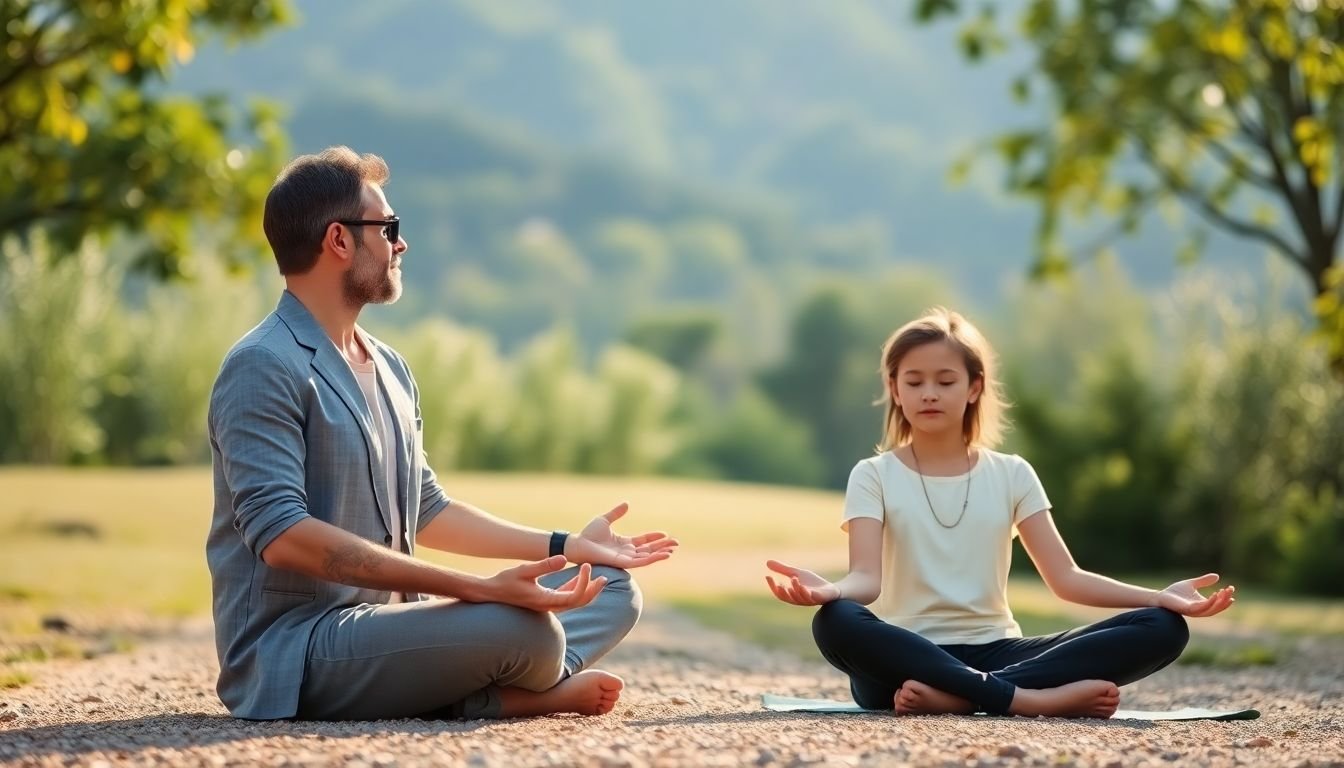
Mindfulness is more than just a buzzword; it is a scientifically supported practice that can transform your overall well-being. By cultivating present-moment awareness with kindness and non-judgment, mindfulness helps balance emotional, mental, and physical health.
What Is Mindfulness and Why It Matters
Mindfulness involves paying deliberate attention to the present moment, including your thoughts, feelings, and surroundings. This simple shift in awareness can reduce stress, enhance emotional resilience, and improve cognitive function.
For adults and teenagers alike, stress and emotional imbalance are common challenges that impact quality of life. Mindfulness offers practical tools to manage these difficulties effectively without medication or invasive interventions.
Proven Mindfulness Techniques for Holistic Health
1. Focused Breathing
Focused breathing involves consciously paying attention to your inhale and exhale. This technique calms the nervous system and fosters relaxation. Practice by sitting comfortably, closing your eyes, and breathing deeply for 5 minutes daily.
2. Body Scan Meditation
Body scans help increase bodily awareness and release physical tension. Slowly focus attention on each part of your body, noticing sensations without judgment—from your toes to your head.
3. Mindful Walking
Incorporate mindfulness into movement through mindful walking. Notice each step, the feeling of your feet touching the ground, and the rhythm of your motion.
4. Mindfulness in Daily Activities
Engage fully in everyday tasks—whether eating, washing dishes, or driving. Paying attention to sensory input and actions fosters present-moment engagement and reduces automatic, stressful reactions.
The Holistic Benefits of Mindfulness
- Emotional Balance: Reduces anxiety and depression symptoms by promoting emotional regulation.
- Improved Focus: Enhances attention span and cognitive flexibility.
- Better Sleep: Calms the mind for restorative rest.
- Physical Health: Lowers blood pressure and inflammation, supporting heart health.
Tips for Starting Your Mindfulness Practice
- Begin with short sessions, just 5 to 10 minutes.
- Use guided mindfulness apps or videos for structure.
- Be patient and compassionate with yourself.
- Consistency matters more than duration.
Integrating mindfulness into your routine encourages a balanced, healthier life. Whether you’re an adult battling stress or a teen navigating emotional ups and downs, these techniques can empower you to reclaim calm and clarity.
For more health insights, explore our resources on integrative medicine and holistic wellness.
Scientific References
- Kabat-Zinn J. Mindfulness-based interventions in context: past, present, and future. Clin Psychol Sci Pract. 2003;10(2):144-156. doi:10.1093/clipsy.bpg016
- Creswell JD. Mindfulness interventions. Annu Rev Psychol. 2017;68:491-516. doi:10.1146/annurev-psych-042716-051139
- Hofmann SG, et al. The effect of mindfulness-based therapy on anxiety and depression: A meta-analytic review. J Consult Clin Psychol. 2010;78(2):169-183. doi:10.1037/a0018555
- Goyal M, et al. Meditation programs for psychological stress and well-being: a systematic review and meta-analysis. JAMA Intern Med. 2014;174(3):357-368. doi:10.1001/jamainternmed.2013.13018
- Galante J, et al. Mindfulness-based programs for mental health promotion in adults in non-clinical settings: A systematic review and meta-analysis of randomized controlled trials. PLoS Med. 2021;18(1):e1003481. doi:10.1371/journal.pmed.1003481