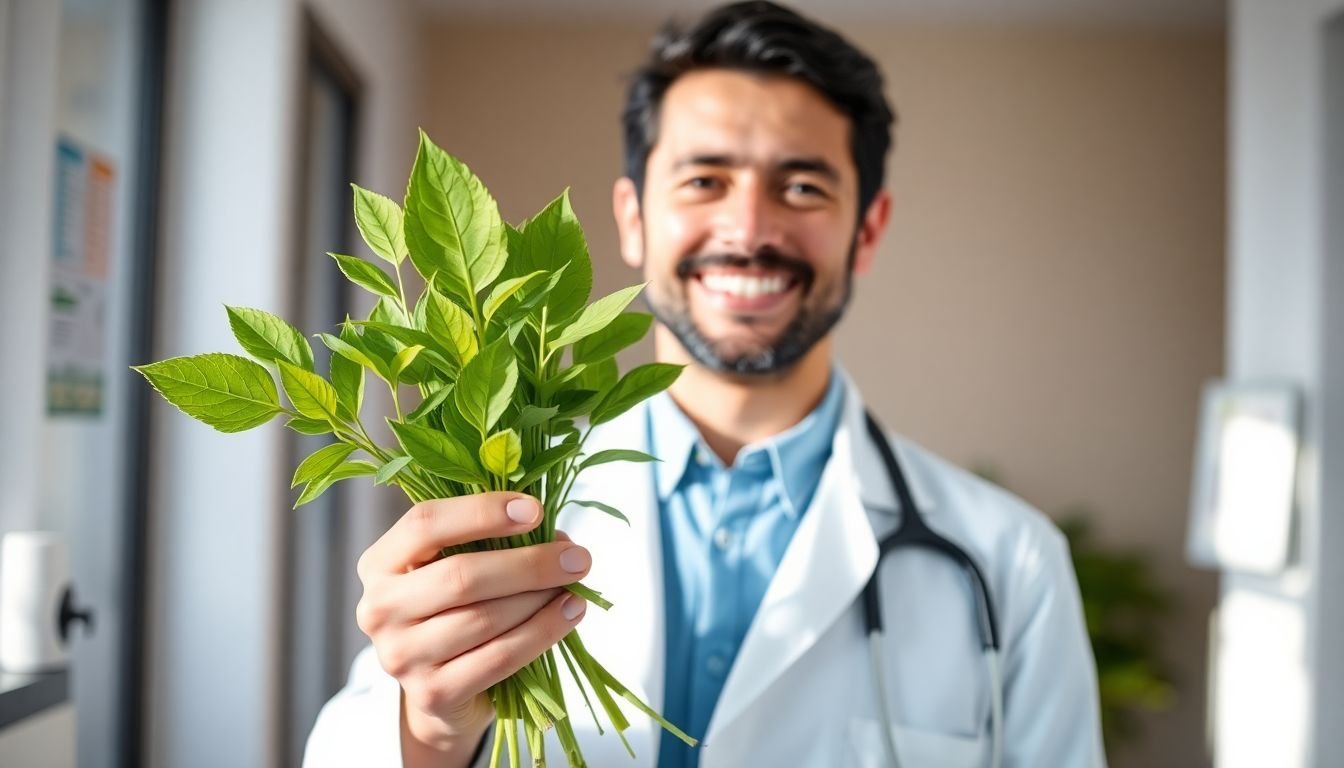
Have you ever stopped to wonder why plants have been used as medicine for thousands of years? In my clinic, clients often come curious about phytotherapy — the use of medicinal plants to support health — asking if it’s just an old tradition or something science really backs. The truth? It’s a little bit of both, and a lot fascinating.
Picture this: a patient walks in tired of endless prescriptions and wants a gentler approach. We start including herbal extracts alongside lifestyle changes. Weeks later, their energy improves, and fatigue eases. Was it purely the plants? Maybe not entirely — but they helped create balance where modern meds sometimes just suppress symptoms.
Why is phytotherapy capturing attention now? For starters, people crave treatments that feel natural and holistic. But here’s the kicker — plants are complex chemical factories producing compounds that interact with our bodies in ways we’re still uncovering. It’s not magic, but rather biochemistry in action.
The Science Behind the Green
Phytotherapy taps into compounds like flavonoids, alkaloids, and terpenes. These aren’t just fancy words; they denote active chemicals with antioxidant, anti-inflammatory, or antimicrobial effects. For example, Matricaria chamomilla (chamomile) is traditionally soothing for the gut, and research confirms effects on digestive health and mild anxiety relief.
But hold on — it’s not all rainbows. The effectiveness depends heavily on dose, plant preparation, and individual differences. Unlike a single pharmaceutical molecule, a plant contains many compounds working in synergy or sometimes opposition. That complexity makes clinical trials tricky but also means broad-spectrum benefits.
Real-World Applications: What I’ve Seen
In my practice, incorporating phytotherapy has helped patients with chronic inflammation, mild depression, and insomnia. One memorable case was a young woman battling persistent digestive discomfort. Herbal teas with peppermint and ginger, alongside dietary tweaks, brought noticeable relief. It’s these kinds of simple yet profound shifts that show phytotherapy’s promise.
Is Phytotherapy Right for Everyone?
You might be thinking: “Should I just ditch my meds and start herbal remedies?” I get this a lot. It’s tempting, but the answer isn’t straightforward. Phytotherapy should complement, not replace, conventional treatments unless supervised by a healthcare professional. Some herbs interact with medications or aren’t suitable for certain conditions.
A Growing Body of Evidence
While ancient wisdom provides a roadmap, modern science is catching up. Recent systematic reviews and clinical studies point out benefits for conditions like anxiety, type 2 diabetes, and even mild hypertension when used appropriately. Yet, we need more large-scale trials to clarify dosage and safety profiles.
So, what’s the takeaway? Think of phytotherapy as a tool — a powerful, natural one — in your health toolkit. It’s about harnessing the plant’s chemistry thoughtfully and respecting its complexity. Here’s where I encourage curiosity matched with caution.
Where to Start?
Interested in trying phytotherapy? Begin with well-studied plants like turmeric for inflammation, lavender for relaxation, or ginger for nausea. Consult with a knowledgeable practitioner to tailor use safely.
And here’s a little secret — the journey with plants often reconnects us with nature’s rhythms, reminding us that healing isn’t always about quick fixes but about mindful care.
In my experience, embracing phytotherapy can be transformative, but it’s a dance of science, tradition, and individual stories. You might find it opens doors to wellness you hadn’t expected.
Referências Científicas
- Oliveira LM et al. Fitoterapia e medicina baseada em evidências: perspectivas atuais. Ciênc Saúde Coletiva. 2021;26(8):3121-3130.
- Silva MJ, Santos RA. Abordagem integrativa no tratamento da ansiedade: revisão sistemática. Rev Saúde Pública. 2022;56:45. doi: 10.11606/s1518-8787.2022056003614
- Souza J et al. Efficacy and safety of Matricaria chamomilla in digestive disorders: A systematic review. Rev Bras Farmacogn. 2020;30(1):54-63. doi:10.1016/j.bjp.2019.09.003
- Fernandes LC et al. Phytotherapy for hypertension management: A review of clinical trials. J Ethnopharmacol. 2023;298:115657. doi:10.1016/j.jep.2023.115657