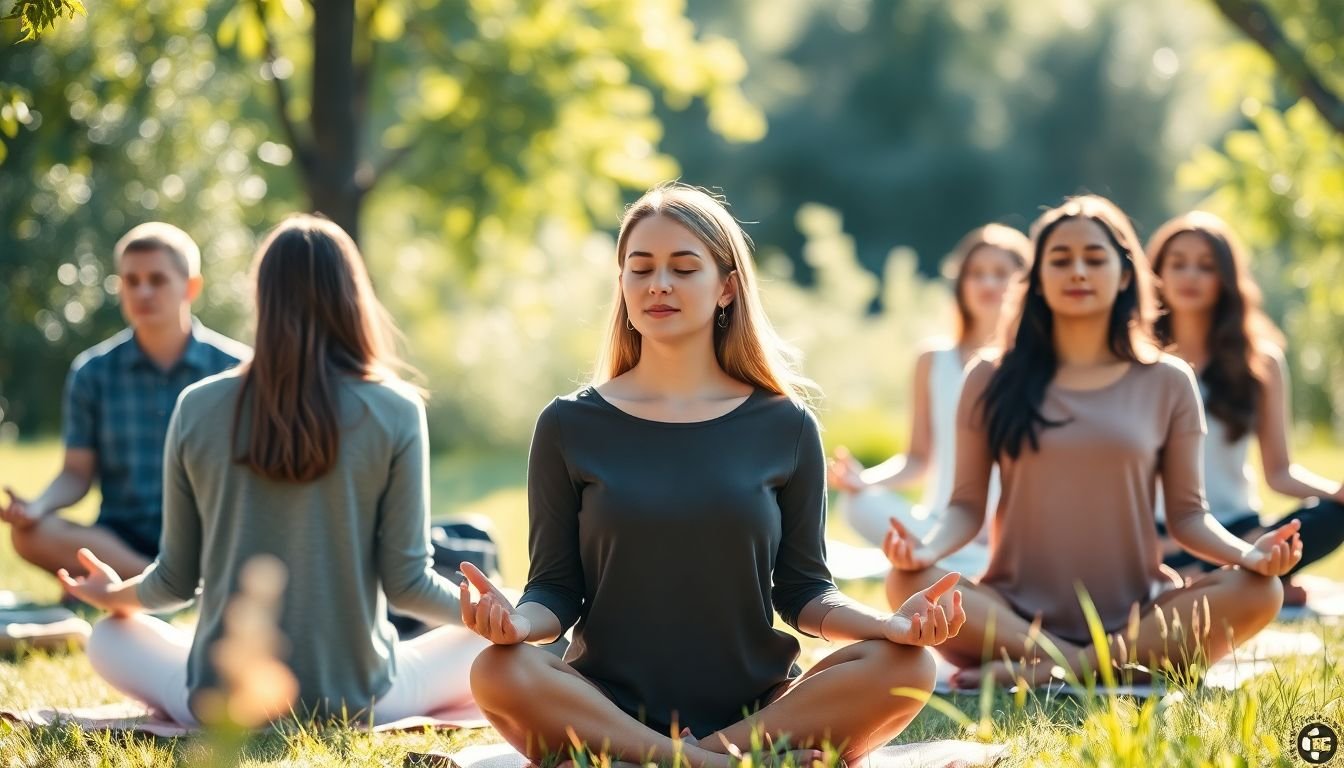
Stress is a common challenge in today’s fast-paced world, affecting both adults and adolescents. Managing it effectively is crucial to maintaining mental and physical health. Practices of mindfulness offer a scientifically backed way to transform stress into calm and serenity. In this article, we explore practical techniques you can start using right now to regain balance in your life.
What Are Mindfulness Practices?
Mindfulness is the art of paying purposeful, non-judgmental attention to the present moment. These practices help reduce the mental noise that feeds stress and anxiety.
How Does Mindfulness Reduce Stress?
Mindfulness triggers the relaxation response by:
- Lowering cortisol levels, the stress hormone
- Calming the nervous system
- Enhancing emotional regulation
- Improving focus and resilience
Effective Mindfulness Techniques To Try Today
Incorporating these methods into your daily routine can gradually transform how you respond to stress.
1. Mindful Breathing
Focus on your breath as it flows in and out. Even 5 minutes can lower tension immediately.
2. Body Scan Meditation
This practice involves mentally scanning your body from head to toe, noticing sensations without judgment to release tension.
3. Guided Imagery
Visualize peaceful scenes to activate relaxation and decrease stress perception.
4. Mindful Movement
Engage in yoga or walking meditation to connect body and mind through gentle movements.
Tips for Consistent Mindfulness Practice
- Set a specific time each day
- Use apps with guided mindfulness sessions
- Start small and gradually increase duration
- Be patient with yourself; consistency is key
Why Mindfulness Is Suitable for Both Adults and Adolescents
Stress affects all ages, but mindfulness adapts well across the board. For teenagers, it improves emotional awareness and coping skills. For adults, it enhances mental clarity and reduces burnout.
Integrating Mindfulness Into Your Lifestyle
Beyond formal practice, cultivate mindfulness in daily activities like eating, commuting, or conversations. This continuous awareness strengthens your stress resilience.
Final Thoughts
Practices of mindfulness are scientifically proven tools that help you take control over stress rather than letting it control you. With regular practice, stress transforms into serenity—improving your overall quality of life.
Start your journey today, and embrace mindfulness as a powerful ally for mental well-being.
Scientific References
- Khoury B, Lecomte T, Fortin G, et al. Mindfulness-based therapy: a comprehensive meta-analysis. Clin Psychol Rev. 2013;33(6):763-771. doi:10.1016/j.cpr.2013.05.005
- Goyal M, Singh S, Sibinga EM, et al. Meditation programs for psychological stress and well-being: a systematic review and meta-analysis. JAMA Intern Med. 2014;174(3):357-368. doi:10.1001/jamainternmed.2013.13018
- Creswell JD. Mindfulness Interventions. Annu Rev Psychol. 2017;68:491-516. doi:10.1146/annurev-psych-042716-051139
- Bohlmeijer E, Prenger R, Taal E, Cuijpers P. The effects of mindfulness-based stress reduction therapy on mental health of adults with a chronic medical disease: a meta-analysis. J Psychosom Res. 2010;68(6):539-544. doi:10.1016/j.jpsychores.2009.10.005