Are you confused about what to eat for optimal health?
You’re not alone. On January 7, 2026, the U.S. government released groundbreaking new dietary guidelines that completely flip traditional nutrition advice on its head—literally.
These aren’t just minor tweaks to existing recommendations. The Dietary Guidelines for Americans 2025-2030 represent the most significant shift in federal nutrition policy in decades, and understanding these changes could transform your health, energy levels, and overall well-being.
In this comprehensive guide, we’ll break down exactly what changed, why it matters, and how you can implement these science-backed recommendations into your daily life starting today.
What Just Happened? Understanding the 2025 Dietary Revolution
For decades, Americans have been told to build their diets around grains and carbohydrates, with the iconic food pyramid placing bread, pasta, and cereals at the foundation of healthy eating. That era officially ended yesterday.
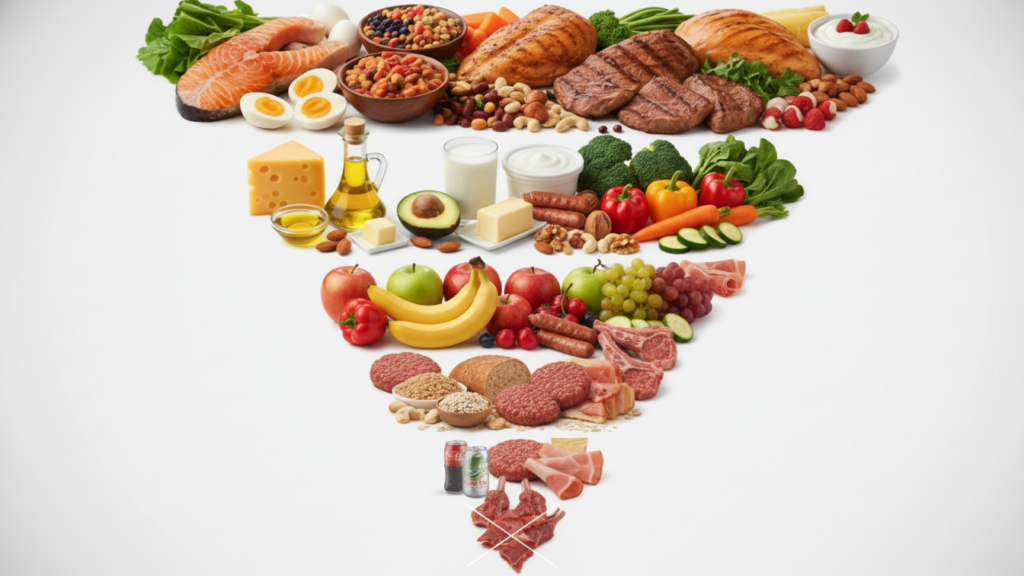
The new federal nutrition guidelines have inverted the traditional pyramid, placing protein-rich and nutrient-dense foods at the top priority, while significantly reducing the emphasis on grain-based carbohydrates.
This isn’t a fad diet or trendy eating plan—this is the official position of the United States government on optimal nutrition, backed by the latest scientific research and designed to guide public health policy for the next five years.
Why This Matters to You
These guidelines influence far more than just recommendations:
- School lunch programs across the nation
- Medicare and Medicaid nutrition policies
- Food assistance programs like SNAP
- Public health campaigns and education
- Insurance coverage for nutrition counseling
- Medical recommendations from healthcare providers
In other words, this shift will affect how 330 million Americans think about food, what’s served in schools, and how doctors advise their patients.
Ready to get ahead of the curve? Understanding these changes now gives you a significant advantage in optimizing your health before everyone else catches on.
The Inverted Pyramid: What’s Really Changed?
Old Model vs. New Model: A Complete Reversal
The Traditional Food Pyramid (1992-2011):
- Base: 6-11 servings of grains daily
- Middle: Vegetables, fruits, and protein
- Top: Fats and sweets (use sparingly)
The New 2025 Food Pyramid:
- Top Priority: High-quality proteins (meat, fish, eggs, legumes) and nutrient-dense whole foods
- Second Tier: Full-fat dairy products, healthy fats, and abundant vegetables
- Third Tier: Fruits and select whole grains
- Bottom: Ultra-processed foods, refined carbohydrates, and added sugars (minimize or avoid)
This represents a fundamental philosophical shift from a carbohydrate-centric model to a protein and nutrient-density focused approach.
The MyPlate Era Is Over
For the past decade, the government used the “MyPlate” visual—a plate divided into sections showing proportions of different food groups. While simpler than a pyramid, many nutrition experts felt it lacked the hierarchical clarity that people needed.
The return to a pyramid structure, even though inverted, provides clearer prioritization and makes it easier for people to understand what should form the foundation of their daily eating habits.
Confused about how to translate government guidelines into real meals? That’s exactly why comprehensive nutrition education has become more valuable than ever.
Breaking Down the New Dietary Priorities
Priority #1: High-Quality Protein Takes Center Stage
The most dramatic change is the elevated importance of protein in the American diet. The new guidelines recommend:
Daily Protein Targets:
- 1.2 to 1.6 grams of protein per kilogram of body weight
- For a 150-pound person, that’s approximately 82-109 grams daily
- This represents a significant increase from previous recommendations of 0.8 g/kg
Recommended Protein Sources:
- Lean meats (chicken, turkey, lean beef)
- Fatty fish (salmon, mackerel, sardines)
- Eggs (whole eggs, not just whites)
- Legumes and beans
- High-quality plant proteins
- Greek yogurt and cottage cheese
Why This Protein Increase Matters
Research increasingly shows that higher protein intake supports:
- Muscle maintenance and growth, especially as we age
- Metabolic health and better blood sugar control
- Satiety and weight management
- Bone density and overall structural health
- Immune function and recovery
The previous lower recommendations may have contributed to age-related muscle loss and metabolic issues affecting millions of Americans.
Want to know exactly how much protein YOU need and when to eat it? Personalized nutrition planning takes the guesswork out of optimal eating.
Priority #2: Full-Fat Dairy Makes a Comeback
After decades of low-fat and fat-free dairy recommendations, the pendulum has swung completely. The new guidelines embrace full-fat dairy products as part of a healthy diet.
What Changed:
- Whole milk is now recommended over skim milk
- Full-fat yogurt and cheese are encouraged
- The previous fear of saturated fat has been significantly revised
The Science Behind the Shift: Recent research has challenged the decades-old assumption that dietary saturated fat directly causes heart disease. Multiple large-scale studies have shown:
- Full-fat dairy may improve metabolic markers
- Dairy fats contain beneficial compounds like CLA (conjugated linoleic acid)
- Fat-free products often compensate with added sugars
- Satiety from full-fat dairy helps with portion control
This doesn’t mean unlimited cheese consumption, but it does mean you can stop feeling guilty about enjoying real butter, whole milk, and full-fat yogurt in reasonable amounts.
Priority #3: Healthy Fats Are No Longer the Enemy
The new guidelines take a much more nuanced approach to dietary fats, distinguishing between beneficial and harmful sources.
Recommended Healthy Fats:
- Extra virgin olive oil
- Avocado and avocado oil
- Nuts and seeds
- Fatty fish (omega-3 rich)
- Butter and ghee (in moderation)
- Natural animal fats from high-quality sources
The Moderate Use Exception: Perhaps surprisingly, the guidelines even acknowledge that traditional fats like butter and lard can have a place in a healthy diet when used in moderate contexts. This represents a dramatic departure from the “all saturated fat is bad” messaging of the past 50 years.
Still worried about which fats are truly healthy? Understanding the nuances of fat metabolism is key to making confident dietary choices.
Priority #4: Vegetables and Fruits (But Not Equal Priority)
Vegetables remain a cornerstone of healthy eating, with an emphasis on:
- Variety and color diversity
- Non-starchy vegetables taking priority
- Leafy greens as daily staples
- Cruciferous vegetables for their unique health benefits
Fruits are still recommended, but with important caveats:
- Whole fruits over juice
- Moderate quantities due to natural sugar content
- Berries and low-glycemic options preferred
- Avoid dried fruits with added sugars
The key shift is recognizing that while fruits are nutritious, they’re not nutritionally equivalent to vegetables and should be consumed more moderately than previously suggested.
What the New Guidelines Strongly Discourage
The Ultra-Processed Food Warning
One of the most emphatic aspects of the new guidelines is the strong discouragement of ultra-processed foods. This category includes:
- Pre-packaged meals and snacks
- Products with long ingredient lists full of additives
- Refined grain products (white bread, pasta, pastries)
- Breakfast cereals with added sugars
- Processed meats with numerous additives
- Fast food and convenience store items
Why the Focus on Processing? Research increasingly links ultra-processed food consumption with:
- Obesity and weight gain
- Type 2 diabetes
- Cardiovascular disease
- Certain cancers
- Mental health issues
- Accelerated aging
The guidelines emphasize that it’s not just about calories—the degree of food processing fundamentally affects how your body responds to what you eat.
Struggling to identify ultra-processed foods in your current diet? Learning to read between the marketing claims is an essential modern skill.
The Sugar Showdown: No Amount Is Considered Healthy
Perhaps the most dramatic language in the new guidelines concerns added sugar. The federal position is now:
“No amount of added sugar is considered healthy.”
While acknowledging that complete elimination may be unrealistic, the guidelines suggest:
- Maximum 10 grams of added sugar per meal
- Ideally less than 25 grams per day total
- Zero is optimal for metabolic health
Major Sources to Eliminate:
- Sugar-sweetened beverages (soda, sports drinks, sweetened coffee drinks)
- Candy and conventional desserts
- Sweetened yogurts and breakfast items
- Sauces and condiments with hidden sugars
- Processed snacks and bars
This represents a seismic shift from previous guidelines that suggested added sugar could comprise up to 10% of daily calories (about 50 grams for a 2,000 calorie diet).
Refined Carbohydrates: Demoted from the Base
White bread, white rice, regular pasta, and other refined grain products have been significantly downgraded in nutritional priority.
Why the Change? These foods:
- Spike blood sugar rapidly
- Provide minimal nutrients relative to calories
- Don’t satisfy hunger effectively
- May contribute to insulin resistance
- Often displace more nutritious options
What About Whole Grains? Whole grains are still included in the guidelines but occupy a much smaller space than in previous versions. The recommendation is:
- Choose truly whole grains (not “whole wheat” products that are still refined)
- Consume in moderation
- Consider them optional rather than essential
- Prioritize other foods first
The Alcohol Revision: Simplified to “Less Is Better”
Previous guidelines provided specific drink limits (like one drink per day for women, two for men). The new approach is much simpler:
“Reduce alcohol consumption” without specific numeric targets.
This reflects emerging research suggesting that even moderate alcohol consumption may carry more health risks than previously understood, and that individual variation makes one-size-fits-all recommendations problematic.
Wondering how these changes apply to YOUR specific health situation? Personalized guidance makes all the difference in successful implementation.
The Bigger Picture: Why Now?
The Metabolic Health Crisis
This dramatic policy shift didn’t happen in a vacuum. The United States faces unprecedented health challenges:
- Over 40% of adults are obese
- 100+ million Americans have prediabetes or diabetes
- Cardiovascular disease remains the leading cause of death
- Life expectancy has declined in recent years
- Healthcare costs from diet-related diseases are unsustainable
Previous dietary guidelines, despite being followed by many health-conscious Americans, failed to reverse these trends. This necessitated a fundamental reassessment of nutritional science and recommendations.
The Science Has Evolved
Several key research findings influenced these changes:
Protein Research: Studies showing higher protein needs for muscle maintenance, especially in aging populations, and the metabolic benefits of protein-rich meals.
Fat Rehabilitation: Large meta-analyses failing to confirm the saturated fat-heart disease hypothesis, and research showing benefits of full-fat dairy and natural fats.
Sugar and Processing: Mounting evidence that sugar and ultra-processed foods, not dietary fat, drive metabolic disease and obesity.
Insulin and Metabolic Health: Better understanding of how different foods affect insulin response and metabolic function.
Political and Economic Factors
It’s worth acknowledging that dietary guidelines don’t exist in a vacuum. Various interest groups—from grain producers to meat industries to sugar companies—have historically influenced these recommendations.
The current shift may reflect changing political priorities, evolving scientific consensus, and public demand for guidelines that actually improve health outcomes rather than serving industrial interests.
How to Implement These Guidelines in Your Daily Life
Getting Started: The First Week
Step 1: Audit Your Current Diet Before making changes, understand where you’re starting:
- Track what you currently eat for 3-4 days
- Identify your main sources of protein, carbs, and fats
- Calculate your approximate protein intake
- Notice how many ultra-processed foods you consume
Step 2: Prioritize Protein at Every Meal Make protein the centerpiece:
- Breakfast: Eggs, Greek yogurt, or protein smoothie
- Lunch: Grilled chicken, fish, or legume-based dish
- Dinner: Quality meat, fish, or plant protein as the main component
- Snacks: Nuts, cheese, hard-boiled eggs, or protein-rich options
Step 3: Upgrade Your Fats Replace processed fats with healthy versions:
- Cook with olive oil, avocado oil, or butter instead of vegetable oils
- Add avocados, nuts, and seeds to meals
- Choose full-fat dairy over low-fat versions
- Don’t fear the fat that comes naturally with quality meats
Step 4: Load Up on Vegetables Make vegetables abundant:
- Fill half your plate with non-starchy vegetables
- Experiment with different cooking methods
- Try new varieties you haven’t eaten before
- Use vegetables to replace some grain-based sides
Step 5: Reduce Ultra-Processed Foods Start systematically eliminating:
- One category at a time (don’t try to change everything at once)
- Begin with the worst offenders (sugary beverages, packaged snacks)
- Replace with whole food alternatives
- Prepare more meals at home
Ready to create a personalized implementation plan? Professional guidance helps you navigate these changes without overwhelm.
Sample Day Following New Guidelines
Breakfast (7:00 AM):
- Three-egg omelet with vegetables and cheese
- Side of berries
- Coffee with full-fat cream
Mid-Morning Snack (10:00 AM):
- Small handful of almonds
- Apple slices
Lunch (12:30 PM):
- Grilled salmon fillet
- Large mixed green salad with olive oil dressing
- Roasted vegetables
- Small serving of quinoa (optional)
Afternoon Snack (3:30 PM):
- Full-fat Greek yogurt
- Chia seeds
Dinner (6:30 PM):
- Grass-fed beef or chicken breast
- Steamed broccoli with butter
- Sweet potato (moderate portion)
- Side salad
Total approximate macros:
- Protein: 120-140g
- Fats: 80-100g
- Carbohydrates: 80-120g
- Focus: Whole foods, nutrient density, minimal processing
Common Implementation Challenges (And Solutions)
Challenge #1: “Protein is expensive”
Solutions:
- Buy in bulk and freeze portions
- Choose less expensive cuts and cook them properly
- Include eggs (one of the cheapest protein sources)
- Utilize canned fish (salmon, sardines, tuna)
- Incorporate legumes and beans for plant protein
- Shop sales and seasonal items
Challenge #2: “I don’t have time to cook”
Solutions:
- Meal prep on weekends
- Use a slow cooker or instant pot
- Keep simple ingredients on hand
- Master a few quick, healthy meals
- Prioritize protein and vegetables over elaborate preparations
- Accept that simple food can be optimal
Challenge #3: “My family won’t eat this way”
Solutions:
- Make gradual changes rather than overnight transformations
- Start with universally appealing foods
- Involve family members in cooking and planning
- Keep some familiar items while introducing new ones
- Focus on additions before restrictions
- Lead by example with your own improvements
Challenge #4: “I don’t know how to cook meat/fish properly”
Solutions:
- Start with simple methods (grilling, baking, pan-frying)
- Use a meat thermometer to ensure proper cooking
- Follow basic recipes until techniques become familiar
- Watch video tutorials for visual learning
- Accept that mistakes are part of learning
- Begin with forgiving cuts that are hard to overcook
Feeling overwhelmed by the learning curve? Step-by-step guidance from nutrition experts eliminates trial and error.
Special Considerations: Who Benefits Most?
For People with Metabolic Issues
If you’re dealing with prediabetes, type 2 diabetes, insulin resistance, or metabolic syndrome, these guidelines align particularly well with therapeutic approaches that have shown success in managing these conditions.
Key Benefits:
- Higher protein improves blood sugar control
- Reduced refined carbs and sugar directly address insulin resistance
- Healthy fats support hormonal function
- Overall approach may reduce medication needs (consult your doctor)
For Weight Management
The new guidelines naturally support weight management through:
- Increased satiety from protein and fats
- Reduced cravings from stable blood sugar
- Lower calorie density from vegetable emphasis
- Elimination of empty calories from ultra-processed foods
- Improved metabolic function supporting fat loss
For Athletes and Active Individuals
The higher protein recommendations particularly benefit people who exercise regularly:
- Muscle recovery and growth
- Performance optimization
- Injury prevention through better tissue maintenance
- Body composition improvements
For Older Adults
Age-related muscle loss (sarcopenia) is a major health concern, and these guidelines address it directly:
- Preserved muscle mass through adequate protein
- Bone health from protein and full-fat dairy
- Cognitive function supported by healthy fats
- Overall vitality and independence maintenance
For Children and Adolescents
The implications for school-age children are significant, as school lunch programs will gradually align with these recommendations:
- Proper growth and development supported by adequate protein
- Better concentration from stable blood sugar
- Healthy eating habits established early
- Reduced childhood obesity through better nutrition
Want personalized guidance for your specific situation? One-size-fits-all approaches rarely deliver optimal results.
What About Popular Diets? How Do They Align?
Keto and Low-Carb Diets
The new guidelines move significantly closer to low-carb approaches, though they’re not explicitly ketogenic. There’s now much more common ground between federal recommendations and low-carb dietary patterns.
Paleo and Whole Foods Diets
The emphasis on whole foods, quality proteins, and elimination of processed foods aligns closely with paleo principles. The main difference is the inclusion of dairy and legumes in the federal guidelines.
Mediterranean Diet
The new recommendations share the Mediterranean emphasis on healthy fats (especially olive oil), fish, vegetables, and whole foods. The main divergence is the reduced emphasis on grains.
Plant-Based Diets
While the guidelines elevate animal proteins, they also accommodate plant-based eating through emphasis on legumes, nuts, seeds, and plant proteins. The key is ensuring adequate protein intake through plant sources.
Intermittent Fasting
The guidelines don’t specifically address meal timing, making them compatible with various fasting approaches. The focus is on what you eat rather than when.
The Controversy: Not Everyone Is Celebrating
Critics of the New Guidelines
The Grain Industry: Unsurprisingly, wheat growers and grain producers express concern about reduced grain recommendations, arguing that whole grains are essential for fiber and B vitamins.
Some Nutrition Professionals: Some registered dietitians and nutritionists trained under the previous paradigm express skepticism, particularly about full-fat dairy and reduced grain emphasis.
Environmentalists: Some environmental advocates worry that increased animal protein consumption could have negative environmental impacts, advocating for more plant-based recommendations.
Food Accessibility Advocates: Concerns exist that protein-rich, whole-food diets may be more expensive or less accessible to lower-income populations.
Valid Concerns to Consider
Individual Variation: No single dietary approach works optimally for everyone. Genetics, activity level, health status, and personal circumstances matter.
Economic Accessibility: Quality protein and whole foods can be more expensive than processed alternatives, potentially creating equity issues.
Environmental Impact: Agricultural practices matter, and the source and production method of foods affects sustainability.
Cultural Considerations: Traditional diets from various cultures may not align perfectly with these guidelines, and cultural food practices have value beyond pure nutrition.
Potential for Oversimplification: Any broad guideline necessarily simplifies complex nutritional science and may not capture important nuances.
Looking Forward: What Comes Next?
Gradual Implementation Timeline
The rollout of these guidelines will occur over several years:
2026-2027:
- Updated educational materials and resources
- Training for healthcare providers and nutritionists
- Beginning of school lunch program adjustments
2027-2028:
- Federal food assistance programs start adapting
- Major public awareness campaigns
- Medical practice guidelines incorporate new recommendations
2028-2030:
- Full implementation across federal programs
- Assessment of health outcomes
- Research into implementation effectiveness
Next Review Cycle (2030)
The Dietary Guidelines are reviewed and updated every five years. The 2030 revision will likely:
- Assess the impact of current changes
- Incorporate new research findings
- Adjust recommendations based on real-world outcomes
- Address implementation challenges and barriers
What You Can Do Now
Don’t wait for perfect conditions. The best time to improve your nutrition is today, not when all the details are figured out or conditions are ideal.
Start with small, sustainable changes that align with these principles rather than attempting a complete overnight transformation.
Seek reliable information sources to guide your implementation, as the nutrition landscape can be confusing with conflicting advice from various sources.
Consider your individual circumstances rather than blindly following any guidelines without considering your unique health status, preferences, and lifestyle.
Track your results by paying attention to how you feel, your energy levels, health markers, and overall well-being as you make changes.
Ready to create your personalized nutrition transformation plan? Expert guidance accelerates your results and helps you avoid common pitfalls.
Key Takeaways: Your Action Summary
Let’s recap the essential points you need to remember:
The U.S. government has released the most significant revision to dietary guidelines in decades, fundamentally shifting nutritional priorities away from grain-based, low-fat eating toward protein-rich, nutrient-dense whole foods.
The new inverted food pyramid places high-quality proteins, full-fat dairy, healthy fats, and vegetables at the top priority, while significantly reducing recommendations for grains and strongly discouraging ultra-processed foods and added sugars.
Protein recommendations have increased substantially to 1.2-1.6 grams per kilogram of body weight daily, recognizing the importance of protein for metabolic health, muscle maintenance, and overall wellbeing.
Ultra-processed foods and added sugars face unprecedented criticism in federal guidelines, with the explicit statement that no amount of added sugar is considered healthy.
These changes will progressively reshape school lunches, federal nutrition programs, healthcare recommendations, and how 330 million Americans think about healthy eating over the coming years.
Implementation should be gradual, sustainable, and adapted to your individual circumstances rather than attempted as an overnight transformation.
Frequently Asked Questions
When do these new dietary guidelines take effect?
The guidelines were officially released on January 7, 2026, and will be gradually implemented across federal programs over the next 2-5 years. You can start following them immediately in your personal life.
Do I need to completely eliminate grains from my diet?
No, the guidelines don’t eliminate grains entirely. They simply reduce their emphasis and recommend prioritizing protein, vegetables, and healthy fats first. Moderate amounts of truly whole grains can still be part of a healthy diet.
How much protein should I be eating daily?
The guidelines recommend 1.2-1.6 grams of protein per kilogram of body weight. For someone weighing 150 pounds (68 kg), this translates to approximately 82-109 grams of protein per day.
Can I still follow a vegetarian or vegan diet under these guidelines?
Yes, the guidelines accommodate plant-based eating through emphasis on legumes, nuts, seeds, and plant proteins. The key is ensuring adequate protein intake and nutrient density through plant sources.
Are these guidelines suitable for children?
Yes, the guidelines apply to Americans of all ages, though specific portions and total calories will vary based on age, size, and activity level. Adequate protein is particularly important for growing children.
What about the environmental impact of eating more animal protein?
This is a valid concern not fully addressed in the guidelines. If environmental impact matters to you, consider choosing sustainably raised animal products, incorporating plant proteins, and selecting fish from sustainable sources.
Will my insurance cover nutrition counseling based on these new guidelines?
Many insurance plans cover medical nutrition therapy for certain conditions. Check with your provider about coverage for nutrition counseling, especially if you have metabolic conditions like diabetes or prediabetes.
How can I afford to eat this way on a tight budget?
Focus on economical protein sources like eggs, canned fish, chicken thighs, and legumes. Buy in bulk, shop sales, and meal prep. Prioritize protein and vegetables over expensive processed convenience foods, which often cost more per nutrient than whole foods.
What should I do if my doctor hasn’t heard about these new guidelines yet?
Healthcare providers will gradually receive training on the new guidelines, but this takes time. You can bring printed information to appointments and discuss how these changes might apply to your specific health situation.
How do I know if these guidelines are working for me?
Monitor your energy levels, sleep quality, mood, digestive health, and any health markers like blood sugar or cholesterol. Most people following these principles report improvements within 2-4 weeks, though individual results vary.
The landscape of nutrition has fundamentally shifted. These aren’t just updated guidelines—they represent a complete reconceptualization of what healthy eating means in America.
Your health doesn’t have to be complicated. With the right knowledge, practical strategies, and personalized guidance, you can implement these science-backed principles and experience the transformative results that come from properly nourishing your body.
The question isn’t whether these guidelines will change how Americans eat—they will. The question is whether you’ll be ahead of the curve, implementing these strategies now while others are still catching up.
Your journey to optimal nutrition starts with a single decision. Are you ready to take control of your health with the latest science-backed strategies?
Don’t navigate this transformation alone. Expert guidance, personalized meal plans, and comprehensive nutrition education make the difference between struggling with change and thriving through transformation.
Your best health is waiting. The only question is when you’ll decide to claim it.