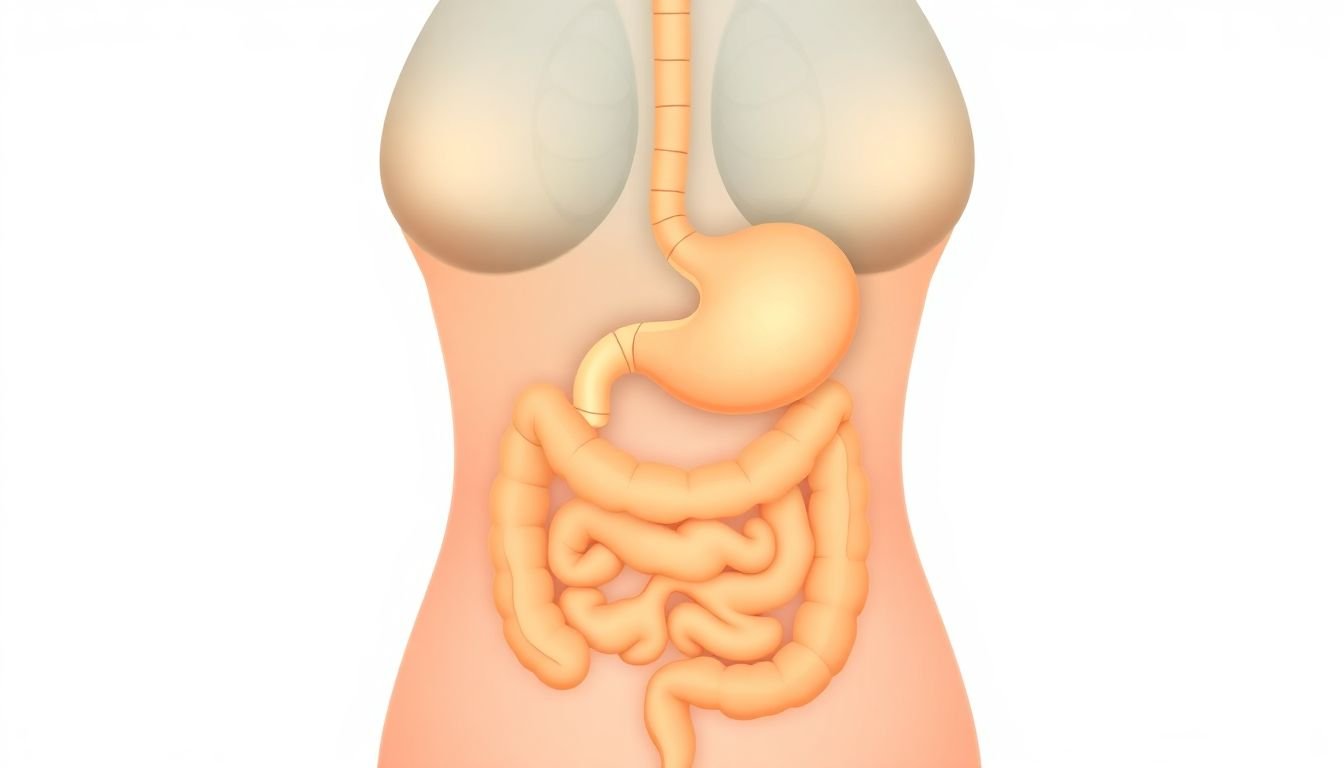
Post-Natal Digestion: Why Your Gut Feels “Broken” After Pregnancy
Pregnancy is a transformative journey that not only changes a woman’s body but also profoundly affects her digestive system. Many women notice that their gut feels different after giving birth — often described as “broken,” sluggish, or unsettled. Understanding why post-natal digestion can feel disrupted is crucial for restoring balance, reducing discomfort, and supporting overall health as you navigate motherhood.
Why Does Post-Natal Digestion Feel “Broken”?
During pregnancy, hormonal fluctuations—particularly elevated levels of progesterone and estrogen—slow down the digestive tract to support nutrient absorption for the growing baby. This hormonal environment can lead to constipation, bloating, and changes in gut motility.
After delivery, your body must readjust rapidly, and this transition can disrupt your gut health in several ways:
- Hormonal Imbalance: Postpartum hormone shifts continue as your body normalizes, which can trigger digestive upset.
- Changes in Gut Microbiota: Pregnancy alters your gut bacteria diversity, which may take time to rebalance after birth.
- Nutritional Deficiencies: Blood loss and the demands of breastfeeding can deplete essential nutrients that support digestive enzymes and gut lining integrity.
- Stress and Sleep Deprivation: New motherhood is demanding, and stress hormones coupled with poor sleep can significantly impact gut function.
The Role of the Gut Microbiome in Post-Natal Digestion
Your gut microbiome, the community of microorganisms in your digestive tract, plays a vital role in processing food, producing vitamins, and maintaining immune balance. Pregnancy shifts this microbiome, sometimes reducing beneficial bacteria that help with digestion and inflammation control.
Restoring these bacterial populations post-birth is key to healing your “broken” gut. Probiotic-rich foods, prebiotic fibers, and sometimes supplementation can guide this balance back to health.
Tips to Support Healthy Post-Natal Digestion
1. Prioritize Hydration and Balanced Nutrition
Pregnancy and breastfeeding increase your hydration needs. Drinking enough water aids digestion and prevents constipation. Focus on nutrient-dense foods rich in fiber, vitamins (especially B-complex and vitamin D), and minerals like magnesium.
2. Incorporate Probiotics and Prebiotics
Fermented foods (yogurt, kefir, sauerkraut) and dietary fibers (onions, garlic, asparagus) nourish your gut microbiome. These support digestion and soothe inflammation.
3. Manage Stress Mindfully
Techniques like deep breathing, gentle yoga, and mindfulness can lower cortisol levels, which helps regulate gut motility.
4. Move Your Body Naturally
Light physical activity improves bowel movements and supports overall gut health. Even short walks with your baby make a difference.
5. Consult an Integrative Medicine Professional
If digestion remains problematic, seek advice from a healthcare provider who understands post-natal physiology and integrative approaches.
When to Seek Medical Advice
Persistent severe digestive symptoms (pain, blood in stool, extreme constipation or diarrhea) need prompt evaluation to rule out complications. The postpartum period is a vulnerable time, and addressing digestive health early can prevent more serious issues.
Summary
It’s normal for your gut to feel “broken” after pregnancy due to a complex interplay of hormonal changes, microbiome shifts, nutrient demands, and lifestyle stressors. With intentional care focused on nutrition, hydration, stress management, and professional guidance, post-natal digestion can be restored to a healthy, functional state.
Referências Científicas
- Rautava, S., et al. “The Influence of Maternal Gut Microbiota on Pregnancy and Postpartum Health.” Frontiers in Endocrinology, 2020. https://pubmed.ncbi.nlm.nih.gov/32496102/
- Mokkala, K., et al. “Gut Microbiota Composition and Function in Pregnancy and Postpartum.” Nutrients, 2021. https://pubmed.ncbi.nlm.nih.gov/34067827/
- Garrido, D., et al. “Impact of Pregnancy on Gastrointestinal Motility.” World Journal of Gastroenterology, 2019. https://pubmed.ncbi.nlm.nih.gov/31228400/
- Lyu, J., et al. “Postpartum Hormonal Changes and Their Impact on Digestive Health.” Journal of Clinical Endocrinology & Metabolism, 2022. https://pubmed.ncbi.nlm.nih.gov/34912012/
- SciELO Brazil: https://scielo.org/
These resources emphasize evidence-based understanding and management of post-natal digestion challenges, suitable for both practitioners and new mothers seeking reliable information.