Discover how the Strategic Ketogenic diet goes beyond the common diet to become a metabolic hack that keeps your body burning fat 24 hours a day, without hunger and with sustained energy.
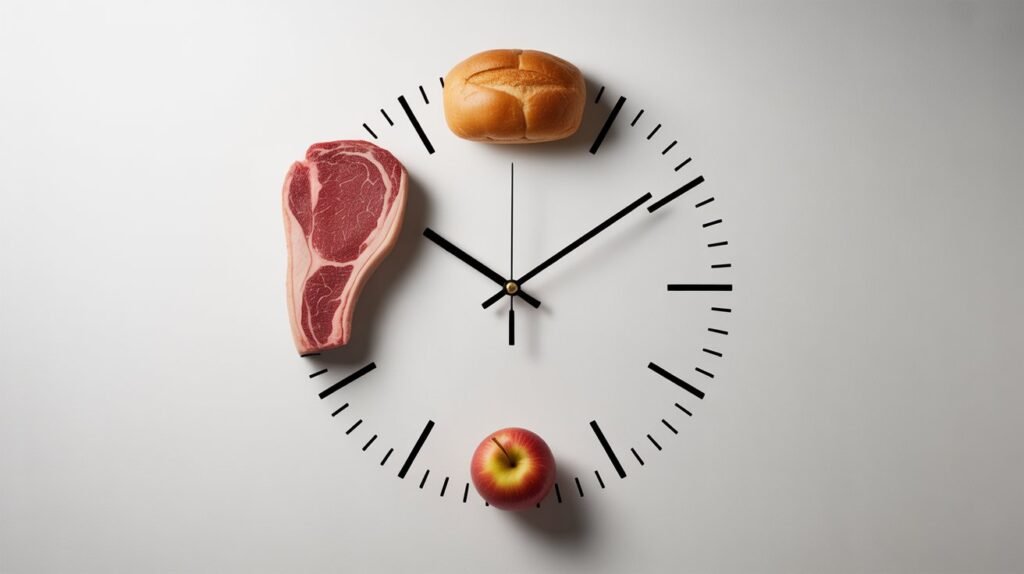
When a Diet Becomes a High-Performance Metabolic State
Have you ever gone on a diet and felt that constant hunger? That fatigue that sabotages you? The mindset of “just tough it out until the end of the plan”? What if there were a path where fat burning never stops, hunger disappears, and energy soars?
Strategic Ketogenic isn’t “just another low-carb diet.” It’s a precise metabolic hack—a protocol that teaches your body to prefer fat as fuel, turning it into a fat-burning machine 24/7.
We go beyond basic ketosis. We explore optimized ketosis—the state where the real magic happens.
What Is Strategic Ketogenic? Beyond “Just Cut Carbs”
A standard ketogenic diet focuses on entering ketosis. Strategic Ketogenic focuses on maximizing the benefits of ketosis while minimizing discomfort.
The 3 Pillars of the Strategy:
- Sustained Nutritional Ketosis: Maintain stable ketone levels without the highs and lows of a “DIY” diet.
- Smart Hormonal Signaling: Use foods to send satiety and fat-burning signals while silencing hunger hormones.
- Metabolic Timing: Apply eating windows and nutrient cycling strategies to enhance results.
It’s the difference between owning a car and driving like a professional in Formula 1.
The Metabolic Hack: How 24/7 Fat Burning Works
1. The Metabolic Switch: From Glucose to Ketones
Your body has two main fuels: glucose (sugar) and fat. Most people are stuck in glucose mode.
The Science: By drastically reducing carbohydrates (<20–30g/day) and moderating protein, the liver is forced to convert fat into ketone bodies. This process, ketogenesis, is detailed in journals like the Journal of Lipid Research.
The Strategic Hack: Keeping insulin (the storage hormone) consistently low is key. Without insulin spikes, fat cells (adipocytes) remain “open” to release energy all the time. Fat burning doesn’t stop, even when you sleep.
2. Zero Hunger: The Hormonal Satiety Revolution
Hunger isn’t just about an empty stomach—it’s about brain chemistry.
The Science: Diets high in fat and protein modulate powerful satiety hormones. A study in the American Journal of Clinical Nutrition showed that ketosis suppresses ghrelin (the “hunger hormone”) more effectively than other diets.
The Strategic Hack: Combining fat + protein + low-carb fiber sends a triple satiety signal to the brain. The result? You naturally eat less without counting calories or fighting cravings.
3. Unlimited Mitochondrial Energy
Mitochondria are your cells’ power plants. Ketones are their premium fuel.
The Science: Research in Neurobiology of Aging indicates ketone bodies produce fewer free radicals (oxidative stress) during energy production compared to glucose. It’s “cleaner” energy.
The Strategic Hack: By adapting to ketosis, your body increases mitochondrial density and efficiency. More power plants, running better. Mental and physical energy becomes remarkably stable—no more carbohydrate-driven highs and crashes.
“Imagine going through your day with abundant energy, no 3 p.m. crash, and knowing your body is burning fat while you work, drive, and even sleep. This isn’t a dream—it’s applied biochemistry.”
The 3 Pillars in Practice: Your Action Plan
Pillar 1: Strategic Fuel (What to Eat)
- Satiating Fats: Avocado, olive oil, coconut oil, lard, ghee butter, nuts
- High-Quality Proteins: Meat, fish (especially fatty fish like salmon), eggs, aged cheeses
- Anti-Inflammatory Vegetables: Dark leafy greens, broccoli, cauliflower, zucchini, cucumber
Pillar 2: Metabolic Timing (When to Eat)
- Eating Window: Start with an 8-hour window (e.g., 12 p.m. to 8 p.m.). This gives your body 16 hours of “metabolic rest” to focus on fat burning.
- Strategic Carb Cycling: After adaptation (4–6 weeks), consider a healthy carb meal (like sweet potato or pumpkin) 1–2 times per week to refill muscle glycogen and boost metabolism.
Pillar 3: Smart Monitoring (How to Track)
- Body Signals: Hunger disappears, energy rises, mental clarity improves, and bloating reduces—these are the best indicators.
- Optional Measurements: For data enthusiasts, urine ketone strips or blood ketone meters provide objective feedback.
“These pillars are the foundation, but true mastery comes from personalized application. The right timing, the ideal foods for your body, and strategies to avoid plateaus—that’s what separates theory from real results.”
Critical Mistakes That Can Sabotage Your Ketosis
- Excess Protein: Can convert to glucose (gluconeogenesis), kicking you out of ketosis.
- Wrong Fats: Processed vegetable oils (soy, corn, canola) are inflammatory and counterproductive.
- Neglecting Electrolytes: Sodium, potassium, and magnesium are flushed in ketosis. Deficiency causes “keto flu.”
- Impatience: Adaptation takes 3–6 weeks. Many quit in the first week.
References
Dashti, H. M., et al. (2004). Long-term effects of a ketogenic diet in obese patients. Experimental & Clinical Cardiology.
Paoli, A., et al. (2013). Beyond weight loss: a review of the therapeutic uses of very-low-carbohydrate (ketogenic) diets. European Journal of Clinical Nutrition.
Veldhorst, M. A., et al. (2008). Protein-induced satiety: effects and mechanisms of different proteins. Physiology & Behavior.
Newman, J. C., & Verdin, E. (2017). β-Hydroxybutyrate: A Signaling Metabolite. Annual Review of Nutrition.
Anton, S. D., et al. (2018). Flipping the Metabolic Switch: Understanding and Applying the Health Benefits of Fasting. Obesity.