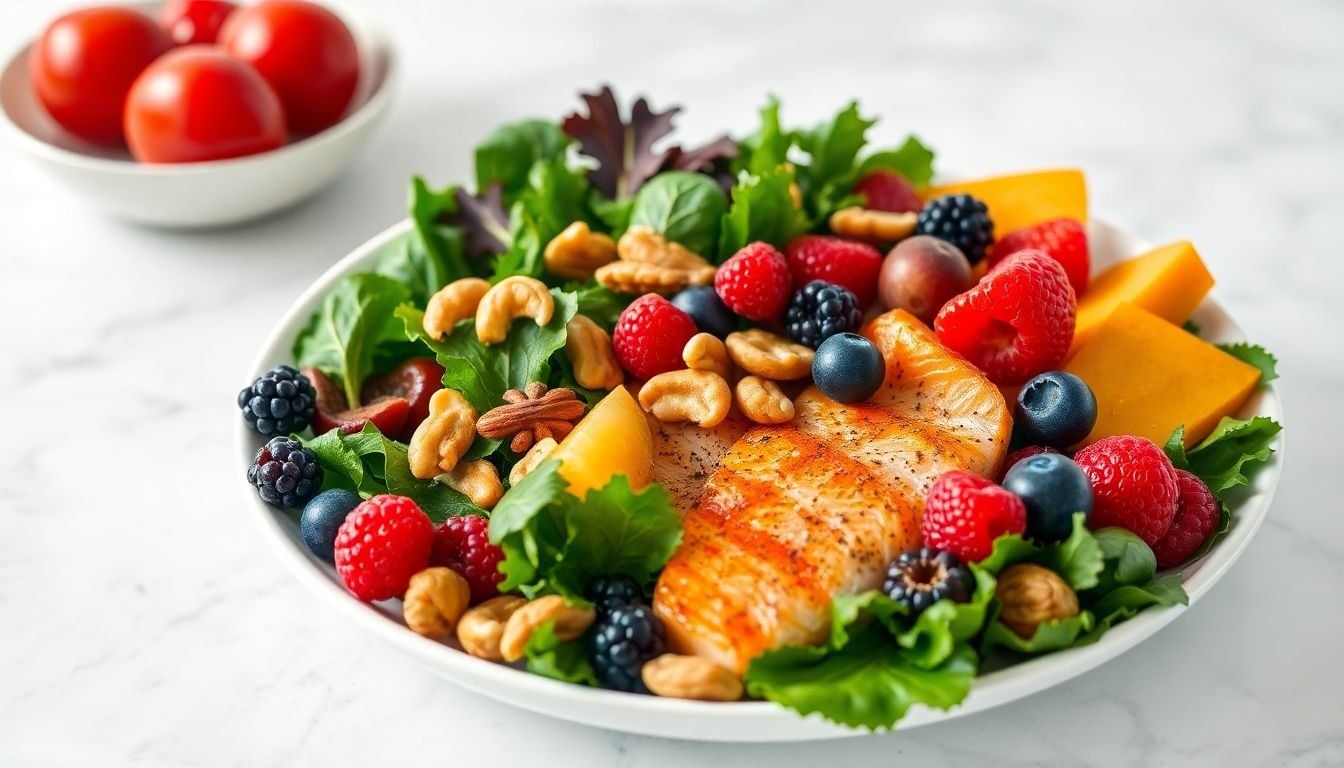
Inflammation is a natural response of the body’s immune system, helping to fight infections and heal injuries. However, chronic inflammation can contribute to pain, fatigue, and many long-term health issues like arthritis, heart disease, and diabetes. The good news is that what you eat plays a crucial role in managing inflammation effectively.
Understanding Anti-Inflammatory Foods
Anti-inflammatory foods are rich in compounds that help reduce the body’s inflammatory markers. These foods provide antioxidants, polyphenols, omega-3 fatty acids, and other nutrients that modulate the immune response. Incorporating these items into your diet can lead to significant improvements in symptoms related to chronic inflammation.
Key Types of Anti-Inflammatory Foods
- Fruits and Vegetables: Berries, leafy greens, broccoli, and tomatoes are high in antioxidants such as vitamin C and flavonoids.
- Healthy Fats: Extra virgin olive oil and fatty fish like salmon and mackerel provide omega-3 fatty acids, proven to diminish inflammation.
- Whole Grains: Oats, brown rice, and quinoa offer fiber that supports a healthy gut microbiome linked to reduced inflammation.
- Nuts and Seeds: Almonds, walnuts, and flaxseeds contain beneficial fats and minerals.
- Herbs and Spices: Turmeric (curcumin), ginger, and garlic have potent anti-inflammatory effects.
How Anti-Inflammatory Foods Improve Health
Chronic inflammation can damage tissues and organs over time. By regularly consuming anti-inflammatory foods, you can:
- Lower inflammatory markers such as C-reactive protein (CRP)
- Reduce joint pain and stiffness in arthritis
- Support cardiovascular health by improving blood vessel function
- Enhance metabolic health and insulin sensitivity
Practical Tips to Incorporate Anti-Inflammatory Foods
- Start your day with a smoothie rich in berries and spinach.
- Use olive oil as your main cooking fat.
- Include fatty fish in your meals at least twice a week.
- Snack on a handful of nuts instead of processed snacks.
- Flavor dishes with turmeric and ginger regularly.
A Balanced Approach Is Key
While anti-inflammatory foods offer many benefits, balance is essential. Avoid excessive intake of processed foods, sugars, and trans fats, which promote inflammation. Combine dietary changes with adequate sleep, stress management, and regular physical activity for optimal results.
Achieving a pain-free life through nutrition is both possible and empowering. By choosing the right foods consistently, you help your body heal and maintain wellness naturally.
Scientific References
- Calder, P.C. (2020). Omega-3 fatty acids and inflammatory processes: from molecules to man. Biochemical Society Transactions, 48(1), 1-9. https://pubmed.ncbi.nlm.nih.gov/31875119/
- Furman, D., et al. (2019). Chronic inflammation in the etiology of disease across the life span. Nature Medicine, 25(12), 1822-1832. https://pubmed.ncbi.nlm.nih.gov/31799954/
- Rosas-Burgos, E.C., et al. (2021). Anti-inflammatory and antioxidant effects of turmeric (Curcuma longa) on cellular and molecular mechanisms. Phytotherapy Research, 35(2), 907-924. https://pubmed.ncbi.nlm.nih.gov/33726445/
- Viteri, F.E., & González, E. (2018). Fruits and vegetables: The foundations of anti-inflammatory nutrition. Revista Médica Clínica Las Condes, 29(6), 891-902. https://pubmed.ncbi.nlm.nih.gov/30546513/