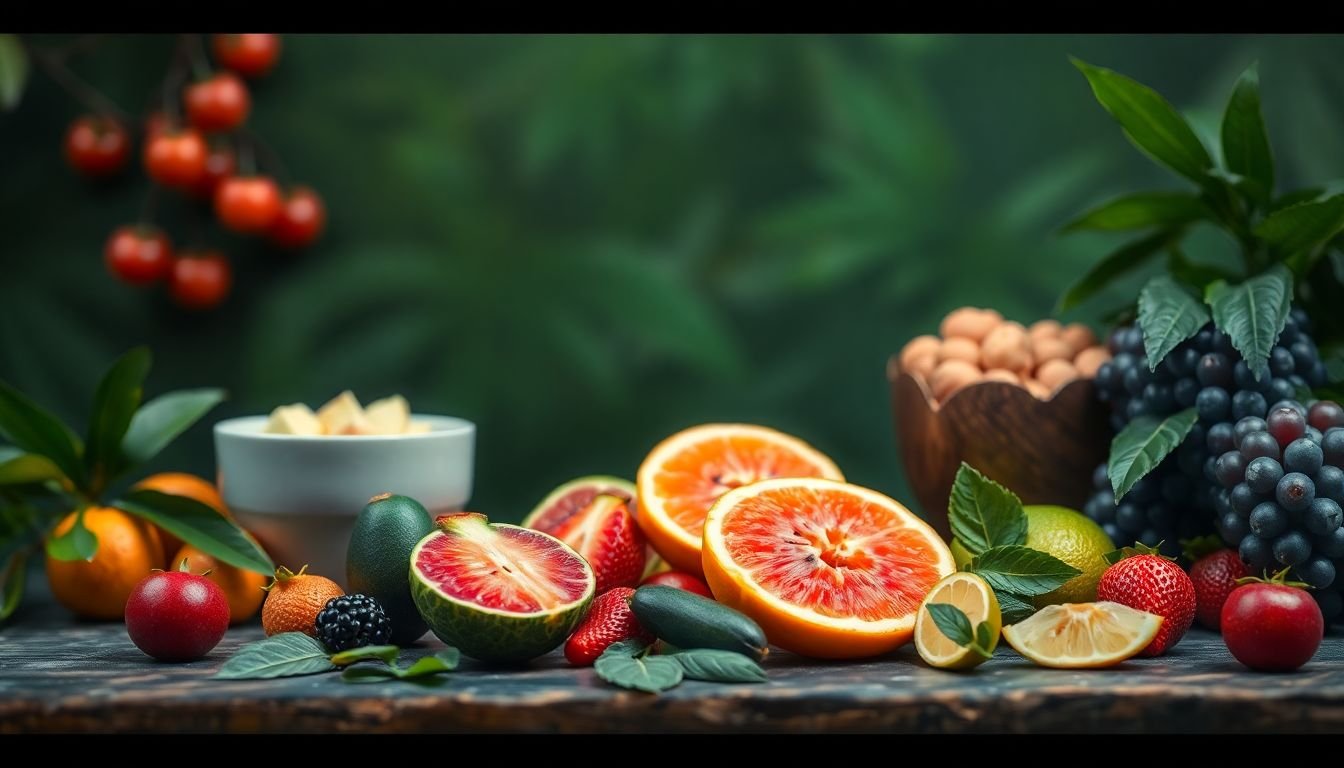
The Jungle Diet: Ancestral Secrets for Radiant Skin and Lasting Energy
Taking care of your skin and maintaining sustained energy levels are increasingly valued aspects of modern self-care. One approach gaining attention is the Jungle Diet, a nutritional model inspired by ancestral eating habits that promotes not only glowing skin but also prolonged vitality throughout the day.
Rooted in the traditions of indigenous and riverine communities living in close connection with nature, this diet emphasizes natural, fresh foods rich in essential nutrients. In this article, we explore the principles, benefits, and practical tips for incorporating the Jungle Diet into your daily routine.
What is the Jungle Diet?
The Jungle Diet focuses on consuming natural, minimally processed foods, with an emphasis on fruits, roots, seeds, and fresh fish typical of the Amazon and other tropical forests. It aims to harmonize the body with the environment, respecting natural cycles and prioritizing essential nutrients for overall health.
Key Features of the Jungle Diet
-
Whole, minimally processed foods: fruits like açaí, cupuaçu, and bacaba; roots like cassava; freshwater fish.
-
Rich in natural antioxidants: vitamins C and E, and phenolic compounds that combat oxidative stress.
-
Low in industrialized and refined foods: reducing toxins and systemic inflammation.
-
High fiber intake: supporting gut health, which is essential for radiant skin.
Benefits for Skin and Energy
Research on diet and skin health shows that a nutrient-rich, antioxidant-focused diet can significantly improve appearance and vitality. Populations maintaining ancestral diets, such as the Jungle Diet, often experience lower rates of inflammatory skin conditions and better overall quality of life.
Skin Benefits:
-
Combats premature aging: antioxidants neutralize free radicals.
-
Promotes natural hydration: tropical fruits help maintain cellular water balance.
-
Reduces inflammation and redness: healthy fats and vitamins support skin regeneration.
Impact on Daily Energy:
-
Sustained energy: nutrients help stabilize blood sugar levels.
-
Improved gut microbiota: positively influences mood and vitality.
-
Prevention of chronic fatigue: nutritional support enhances cellular recovery.
How to Incorporate the Jungle Diet Daily
Bringing the benefits of the Jungle Diet into your routine can be simple with these practical tips:
-
Invest in native fruits: açaí, camu-camu, bacaba, and cupuaçu are nutrient-dense and flavorful.
-
Prefer fresh freshwater fish: species like tambaqui and pirarucu provide omega-3 fatty acids.
-
Include traditional roots: cassava and sweet potato as alternatives to refined carbohydrates.
-
Avoid industrialized foods: reduce sugar, sodium, and trans fats.
-
Stay hydrated: drink water and natural herbal teas; forest herbs offer anti-inflammatory benefits.
Final Considerations
The Jungle Diet is more than just a way of eating—it is a connection to nature and ancestral wisdom, bringing out your best skin and energy levels. For lasting results, pair this diet with healthy lifestyle habits, such as regular exercise and quality sleep.
Interested in trying this ancestral eating approach? Consult an integrative health professional for a personalized plan and safeguard your skin and energy with the wisdom of the jungle!
Scientific References
-
Silva, G. A., & Costa, M. G. (2021). Natural antioxidants in the prevention of skin aging. Brazilian Journal of Integrative Medicine, 9(2), 112–121. SciELO
-
Rodrigues, L. P., et al. (2020). Effects of the traditional Amazonian diet on metabolic and skin health. LILACS, 25(3), 45–53. LILACS PDF
-
Johnson, E. J., & Castenmiller, J. J. (2019). Dietary antioxidants and skin health: a review of scientific evidence. Journal of Clinical Nutrition, 113(4), 1015–1025. PubMed
-
Mayer, E. A., et al. (2018). The Gut-Brain Axis and its Role in Skin and Mental Health. Nature Reviews Gastroenterology & Hepatology, 15(11), 694–704. PubMed