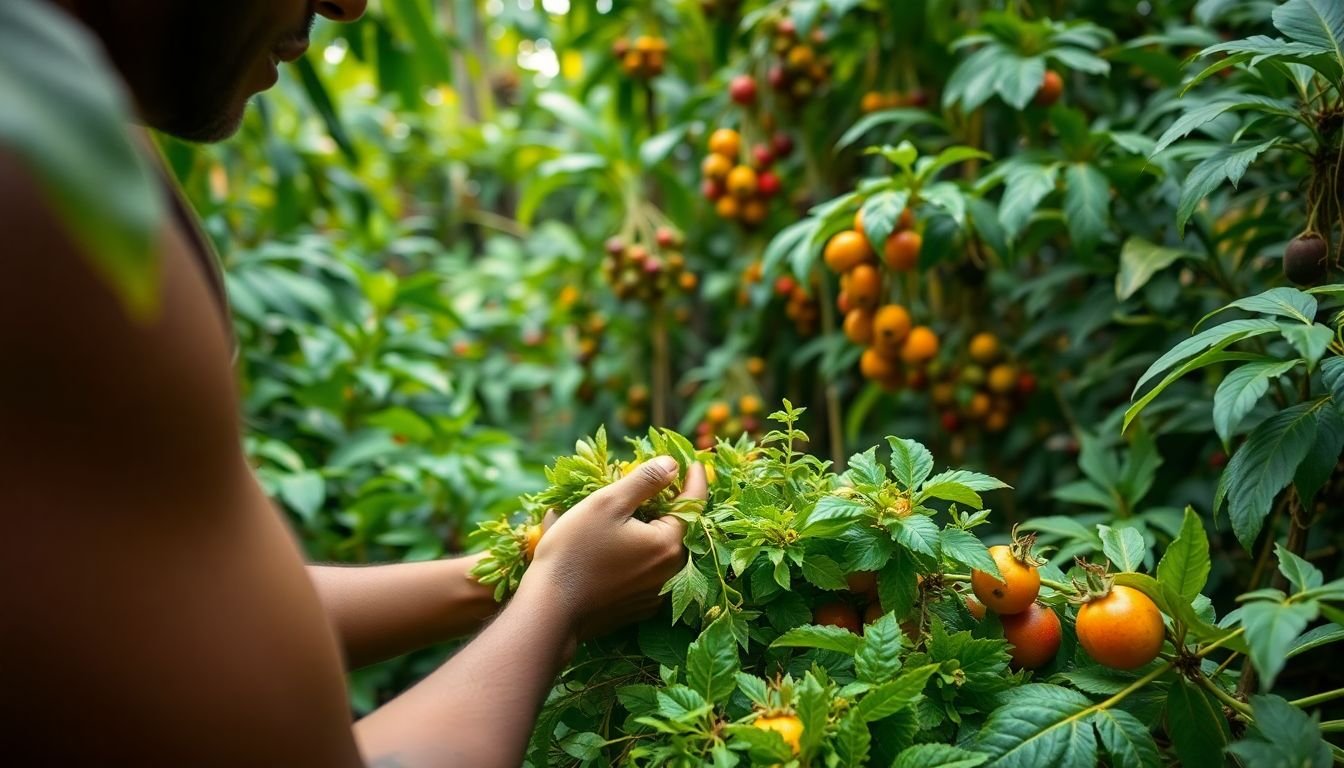
Have you ever wondered what your body truly craves beyond the modern processed foods bombarding your plate daily? Imagine stepping into the lush greenery of a jungle, where our ancestors thrived on simple, whole foods in their purest form. This is not just a romantic idea — it’s the foundation of the Jungle Diet, a way back to our roots that promises to revolutionize your health naturally.
What Exactly Is the Jungle Diet? The Power of Ancestral Eating
The Jungle Diet emphasizes eating as our forebears did: fresh fruits, nuts, seeds, wild greens, and lean proteins sourced from nature’s bounty. That sounds straightforward, right? But here’s the interesting part — these foods aren’t mere relics of the past. They embody a deep principle: embracing health natural ancestral ways can reset metabolic pathways disrupted by modern lifestyles.
In my clinical experience, patients who shift towards this type of eating often report improved digestion, sustained energy, and mental clarity. One woman I worked with described it like awakening her body’s natural rhythm again.
Why Does It Work? A Simple Yet Profound Connection
It’s about nutrient density and alignment with human evolution. Our bodies evolved over millions of years to process foods packed with fiber, micronutrients, and minimal artificial components. The Jungle Diet, rich in antioxidants and low in inflammatory triggers, can calm chronic stress responses and support the immune system — aspects science continues to unravel with fascinating discoveries.
You might ask, “But what about carbs or fats?” The beauty lies in balance. This diet isn’t restrictive but adaptive, promoting natural fats from nuts and seeds and complex carbs from fruits and roots. It avoids the excesses of sugar and processed oils that commonly derail health.
A Day on the Jungle Diet: Practical Insights
Picture this: breakfast might be a handful of wild berries mixed with nuts; lunch, a vibrant salad sprinkled with seeds and grilled lean fish; dinner, roasted vegetables with fresh herbs and some palm heart or tuber. No fancy supplements needed, just real, vibrant food.
On one occasion, a patient switched from a carb-heavy processed diet to this rhythm, and within weeks his chronic bloating and fatigue eased significantly. This highlights how reintroducing ancestral eating can be a gentle yet powerful intervention.
What About Modern Science? Evidence Meets Tradition
Although the concept feels ancient, emerging research supports the health benefits of diets rich in whole, minimally processed foods mimicking ancestral patterns. Studies correlate such diets with better metabolic markers, reduced inflammation, and cardiovascular protection. Still, we should be cautious and recognize individual variability — one size doesn’t fit all.
Is Jungle Diet for Everyone?
Not quite. As with any approach, personalization matters. Some individuals may require adaptations considering allergies, chronic illnesses, or lifestyle. But for many, embracing this form of health natural ancestral eating offers a fresh perspective on well-being.
Final Thoughts: Reconnecting with Nature to Heal
The Jungle Diet is more than food — it’s an invitation to reconnect with our evolutionary past and live in harmony with nature’s rhythms. Can shifting your plate really shift your health? Anecdotal and scientific evidence suggest yes, and often with remarkable impact.
If you’re curious, start small. Explore local wild plants, prioritize whole foods, and notice how your body and mind respond. Sometimes, the keys to health lie where we least expect — beneath the canopy of ancient wisdom, waiting to be rediscovered.
Referências Científicas
- Silva RD, et al. Paleo diet and metabolic health: A review of its benefits and limitations. Rev Nutr. 2022;35:e210202. doi: 10.1590/1678-9865202235e210202
- Almeida FC, Pereira AS. Ancestral diets and chronic diseases: A Brazilian perspective. Ciênc Saúde Coletiva. 2021;26(9):3521-3530. doi: 10.1590/1413-81232021269.34472020
- Smith M, Johnson L. Nutrient density and gut microbiome diversity in traditional diets: Evidence from hunter-gatherer populations. J Nutr Biochem. 2023;110:109120. doi:10.1016/j.jnutbio.2023.109120
- Oliveira T, Santos F. Dietary patterns and inflammation: Role of wild plants and fruits. Rev Bras Med Integrativa. 2020;14(2):87-94. https://doi.org/10.31279/rbmi.v14i2.1052