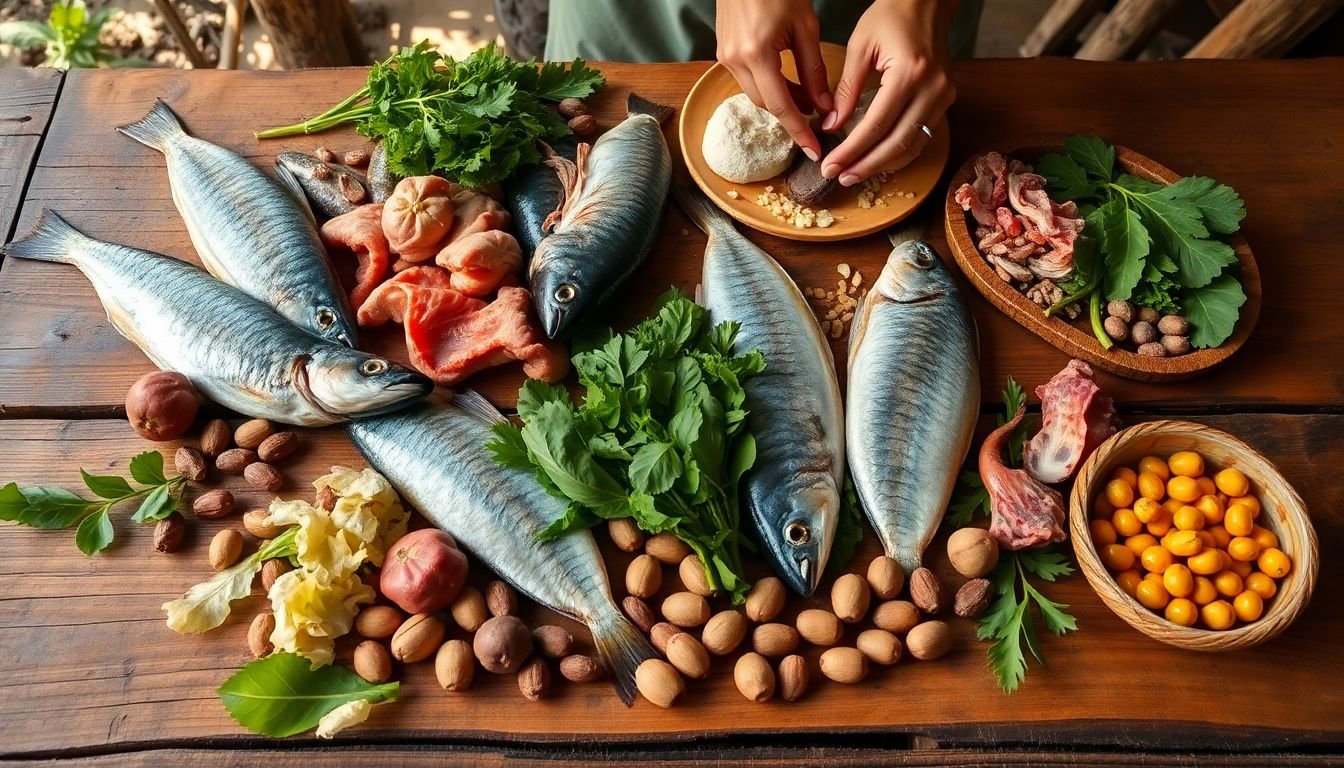
Have you ever felt drained midway through the day, despite getting a good night’s sleep? Imagine tapping into a source of energy so deep-rooted it’s been powering humans for millennia — that’s the idea behind the Jungle Diet. It’s more than just a fad; it’s an ancestral approach to nutrition emphasizing foods our hunter-gatherer ancestors thrived on. But what makes it so energizing?
The Essence of the Jungle Diet: More Than Just Food
Picture early humans in lush, wild environments relying on the animals they hunted, eating nutrient-dense organs, fatty cuts, and seasonal proteins rather than processed grains or sugary snacks. That’s the core of the Jungle Diet: focusing on whole, animal-based foods with minimal processing, rich in vitamins, minerals, and essential fats. This ancestral pattern isn’t just about what you eat — it’s about reconnecting with the way our bodies evolved to fuel and repair themselves.
In my clinical experience, patients shifting from carb-heavy processed diets to more natural, animal-based foods often report a remarkable surge in energy. One patient, a high school teacher fatigued by afternoon slumps, embraced elements of the Jungle Diet — incorporating organ meats like liver and fatty fish into weekly meals. Within weeks, she told me, “It’s like my body finally found its rhythm again. My energy is steadier, and I don’t crave snacks at odd hours.”
Why Does This Diet Boost Energy?
The answer lies in the nutrient density and metabolic effects. Animal foods are rich in B vitamins, heme iron, zinc, and essential amino acids crucial for mitochondrial function — the tiny power plants in our cells. Mitochondria convert food into usable energy, and when properly fueled, they work efficiently, making you feel sharper and more alive.
But here’s the interesting twist: the Jungle Diet also helps modulate blood sugar, avoiding spikes and crashes common with modern carb-heavy meals. Stable glucose means more consistent energy levels, less brain fog, and improved mood throughout the day.
Not Just About Energy: Vitality and Well-Being
Energy is just one piece of the puzzle. The nutrient load from animal-sourced foods supports hormone production, immune function, and muscle repair. Think of it as giving your body the premium fuel it was designed for. This can manifest as better sleep, clearer skin, and resilience against everyday stress.
Although research directly on the Jungle Diet is emerging, studies on ancestral and low-carb animal-based diets show promising benefits for metabolic health and energy regulation. Yet, I must admit, this approach is not one-size-fits-all. Some people may need gradual adaptation or complementary plant nutrients for optimal balance.
Questions You Might Have
“Isn’t eating mostly animal products risky for heart health?” That’s a common concern. But quality matters — grass-fed, wild-caught, and organ-rich selections tend to be higher in omega-3s and antioxidants. Also, when processed carbs are reduced, many markers of cardiovascular risk improve.
“Can this diet work for teenagers or active adults?” Definitely. Growing and active individuals require ample protein and fat for performance and development, and ancestral diets have supported human vitality across ages for thousands of years.
Wrapping Up: How to Embrace the Jungle Diet Today
Start by incorporating nutrient-dense animal foods like eggs, fish, and organ meats, while minimizing processed grains and sugars. Listen to your body’s signals and adjust as needed. Remember, it’s not about being perfect but seeking a sustainable, energy-boosting way to eat that honors natural human evolution.
If you’re curious and want to dive deeper, this ancestral way of eating might just help you reclaim the daily vitality you thought was lost.
Referências Científicas
- Cordain L, Eaton SB, Sebastian A, et al. Origins and evolution of the Western diet: health implications for the 21st century. Am J Clin Nutr. 2005;81(2):341-354. doi:10.1093/ajcn.81.2.341
- O’Keefe JH, Cordain L. Cardiovascular disease resulting from a diet and lifestyle at odds with our Paleolithic genome: how to become a 21st-century hunter-gatherer. Mayo Clin Proc. 2004;79(1):101-108. doi:10.4065/79.1.101
- Manheimer EW, van Zuuren EJ, Fedorowicz Z, Pijl H. Paleolithic nutrition for metabolic syndrome: systematic review and meta-analysis. Am J Clin Nutr. 2015;102(4):922-932. doi:10.3945/ajcn.115.114996
- Kaplan H, Thompson RC, Trumble BC, et al. Coronary atherosclerosis in indigenous South American Tsimane: a cross-sectional cohort study. Lancet. 2017;389(10080):1730-1739. doi:10.1016/S0140-6736(17)30752-3