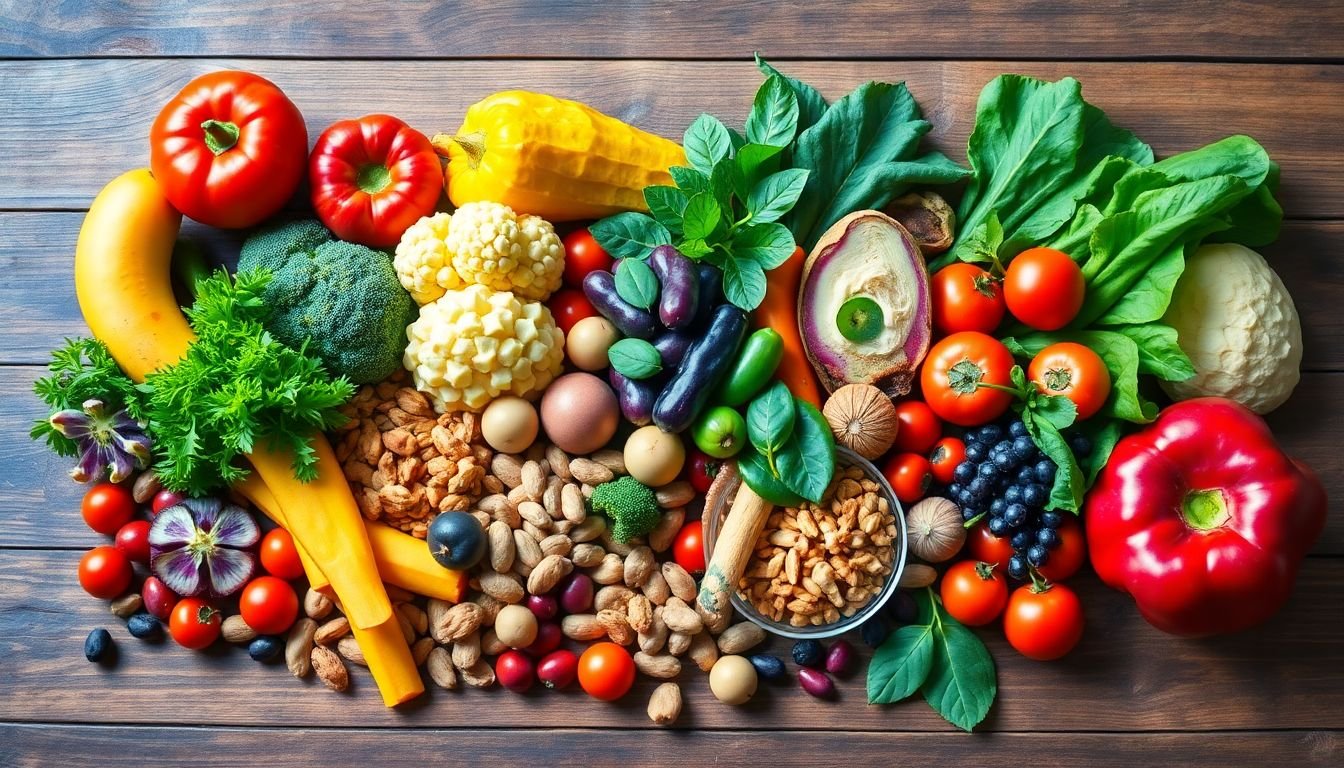
Nutrition plays a vital role in our overall health, influencing everything from energy levels to chronic disease prevention. Adopting a plant-based nutrition approach can transform your life by improving your physical well-being, mental clarity, and environmental impact. Whether you are an adult or an adolescent, understanding the benefits of plant-focused foods can empower you to make informed choices for a healthier lifestyle.
Why Choose Plant-Based Nutrition?
Switching to a plant-based diet means emphasizing whole foods such as fruits, vegetables, legumes, nuts, and seeds, while limiting animal products. This style of eating is rich in vitamins, minerals, antioxidants, and fiber, which all contribute to stronger immunity and better digestive health.
Key Health Benefits of Plant-Based Nutrition
- Improved Heart Health: Diets rich in plants have been shown to lower blood pressure, reduce LDL cholesterol, and decrease the risk of cardiovascular diseases.
- Weight Management: Plant-based foods tend to be lower in calories but high in nutrients, supporting healthy weight control without deprivation.
- Reduced Inflammation: Antioxidants and phytonutrients present in plants help combat oxidative stress and chronic inflammation, often linked to diseases.
- Better Blood Sugar Control: Fiber-rich plant foods slow glucose absorption, aiding in diabetes prevention and management.
- Enhanced Mental Well-being: Nutrient-dense plants support brain function and mood regulation through vitamins like folate and magnesium.
Holistic Impact on Mental and Environmental Health
Adopting plant-based nutrition goes beyond individual physical health. It aligns with integrative medicine principles by fostering balance between body, mind, and environment:
- Mental Clarity and Emotional Balance: Nutrient synergy in plant foods enhances neurotransmitter function, improving focus and reducing anxiety.
- Sustainable Living: Plant-based diets reduce the ecological footprint by minimizing resource use and greenhouse gas emissions.
Practical Steps to Transition to Plant-Based Nutrition
- Start Small: Incorporate more vegetables and legumes into familiar meals.
- Explore New Recipes: Experiment with whole grains, nuts, and seeds for diversity.
- Plan Balanced Meals: Ensure sufficient protein, iron, and vitamin B12 from plant or fortified sources.
- Stay Hydrated: Water supports digestion and detoxification.
- Consult Professionals: Work with nutritionists or integrative medicine experts to tailor your diet.
Remember, nutrition is a journey that respects individual needs and preferences. Making gradual positive changes rooted in evidence-based knowledge ensures sustainable health improvements.
Scientific References
- Satija A, Bhupathiraju SN, Rimm EB, et al. Plant-Based Dietary Patterns and Incidence of Type 2 Diabetes in US Men and Women: Results from Three Prospective Cohort Studies. PLoS Med. 2016;13(6):e1002039. doi:10.1371/journal.pmed.1002039
- Tuso PJ, Ismail MH, Ha BP, Bartolotto C. Nutritional Update for Physicians: Plant-Based Diets. Perm J. 2013;17(2):61-66. doi:10.7812/TPP/12-085
- Huang RY, Huang CC, Hu FB, Chavarro JE. Vegetarian Diets and Weight Reduction: A Meta-Analysis of Randomized Controlled Trials. J Gen Intern Med. 2016;31(1):109-116. doi:10.1007/s11606-015-3484-9
- Turner-McGrievy GM, Davidson CR, Wingard EE, Wilcox S, Frongillo EA. Comparative Effectiveness of Plant-Based Diets for Weight Loss: A Randomized Controlled Trial of Five Different Diets. Nutrients. 2015;7(9):7710-7724. doi:10.3390/nu7095319