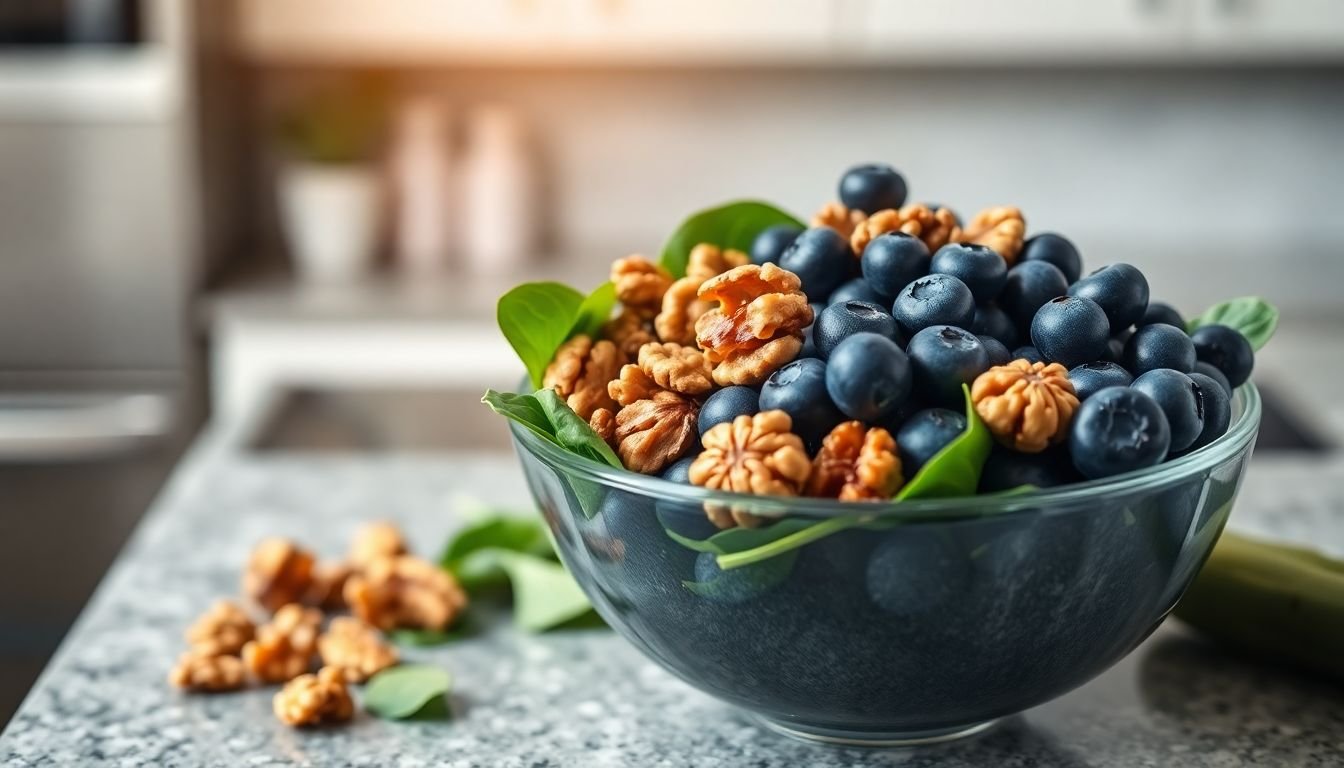
Let me start with a question: ever felt like your brain is just tired even after a full night’s sleep? I see this a lot—people looking for ways to sharpen focus or remember things better. And sure, some days caffeine seems like the answer but it’s not the whole deal. There’s something really interesting about how certain foods can nudge your mental clarity upward, almost like a gentle brain reboot.
So here’s the scoop: today we’re diving into 7 natural brain superfoods that can give your neurons that extra zing. Not miracle pills—just real food that has shown promise in boosting brain power. I remember a patient, a young graphic designer, who felt foggy all day but noticed real changes simply by adding a few of these to her diet.
Why Does Food Affect Our Brain?
The brain is a hungry organ, gobbling up about 20% of your daily calories. But it’s not just about calories, it’s about the right nutrients to fuel communication between neurons and protect them from damage. Unsurprisingly, food rich in antioxidants and healthy fats often comes out on top in studies related to brain health.
1. Blueberries – Small But Mighty
Blueberries are packed with antioxidants called flavonoids. Think of them as tiny warriors fighting off oxidative stress that can age your brain cells prematurely. I once suggested blueberries to a 50-year-old patient struggling with memory lapses; a few weeks later, she reported clearer thinking. Coincidence? Maybe partly, but science backs this up.
2. Walnuts – The Brain-Shaped Nut
This one always gets a smile. Walnuts, shaped kinda like little brains, contain omega-3 fats and polyphenols. These help reduce inflammation and improve communication between brain cells. A handful a day might sound simple, but they carry a serious punch.
3. Spinach – The Leafy Green Genius
Spinach isn’t just Popeye’s thing. It’s loaded with lutein and folate, nutrients that support memory and slow down cognitive decline. Sure, it isn’t as exciting as flashy supplements, but in my practice, the simple act of including leafy greens daily shows consistent benefits.
4. Dark Chocolate – Yes, Really
Before you say “guilty pleasure”, dark chocolate (70% cacao or more) contains flavonoids and caffeine, both known to boost alertness and mood. It’s one of those rare treats that can truly lift brain performance—just don’t overdo it.
5. Fatty Fish – Brain’s Best Friend
Salmon, mackerel, sardines — packed with DHA, a type of omega-3 fat vital for brain function. I often tell patients to eat fish twice a week or consider supplements if they don’t.
6. Pumpkin Seeds – Tiny But Tough
Rich in magnesium, zinc, and iron, pumpkin seeds support nerve signaling and prevent cognitive decline. Sneaking them onto salads or as a snack is easier than you think.
7. Avocado – The Smooth Operator
Avocados provide healthy monounsaturated fats making blood flow to the brain smoother. They also offer vitamin K and folate which protect against stroke and improve memory.
What about everyday routine?
Here’s a clinic moment—someone asked me once if just eating these 7 foods means instant genius. Nope. It’s not magic. But combining them with good sleep, hydration, and exercise? That’s the real recipe. Think of brain superfoods like keys in a locksmith’s belt—not the whole door opener but essential tools.
You might wonder if supplements are better than food. Sometimes they help, but I always prefer patients start with real food because that brings other nutrients and benefits we haven’t identified yet.
So next grocery run, instead of just grabbing chips, maybe toss in a bag of blueberries or some walnuts. Small changes can add up. And hey, if brain fog eases even a bit, that’s a win.
Scientific References
- Miller MG, Shukitt-Hale B. Berry fruit enhances beneficial signaling in the brain. J Agric Food Chem, 2012. https://doi.org/10.1021/jf301361h
- Gómez-Pinilla F. Brain foods: the effects of nutrients on brain function. Nat Rev Neurosci, 2008. https://doi.org/10.1038/nrn2421
- Krikorian R, et al. Blueberry supplementation improves memory in older adults. J Agric Food Chem, 2010. https://doi.org/10.1021/jf1001027
- Barbour JA, et al. Omega-3 fatty acids and cognitive function: A review. Nutrients, 2021. https://doi.org/10.3390/nu13020494
- Chaiyasut C, et al. The effects of pumpkin seed oil on cognitive function: Evidence from animal studies. Nutrients, 2020. https://doi.org/10.3390/nu12061702
- Kris-Etherton PM, et al. Fish consumption, fish oil, omega-3 fatty acids, and cardiovascular disease. Circulation, 2002. https://doi.org/10.1161/01.CIR.0000029852.91798.9E